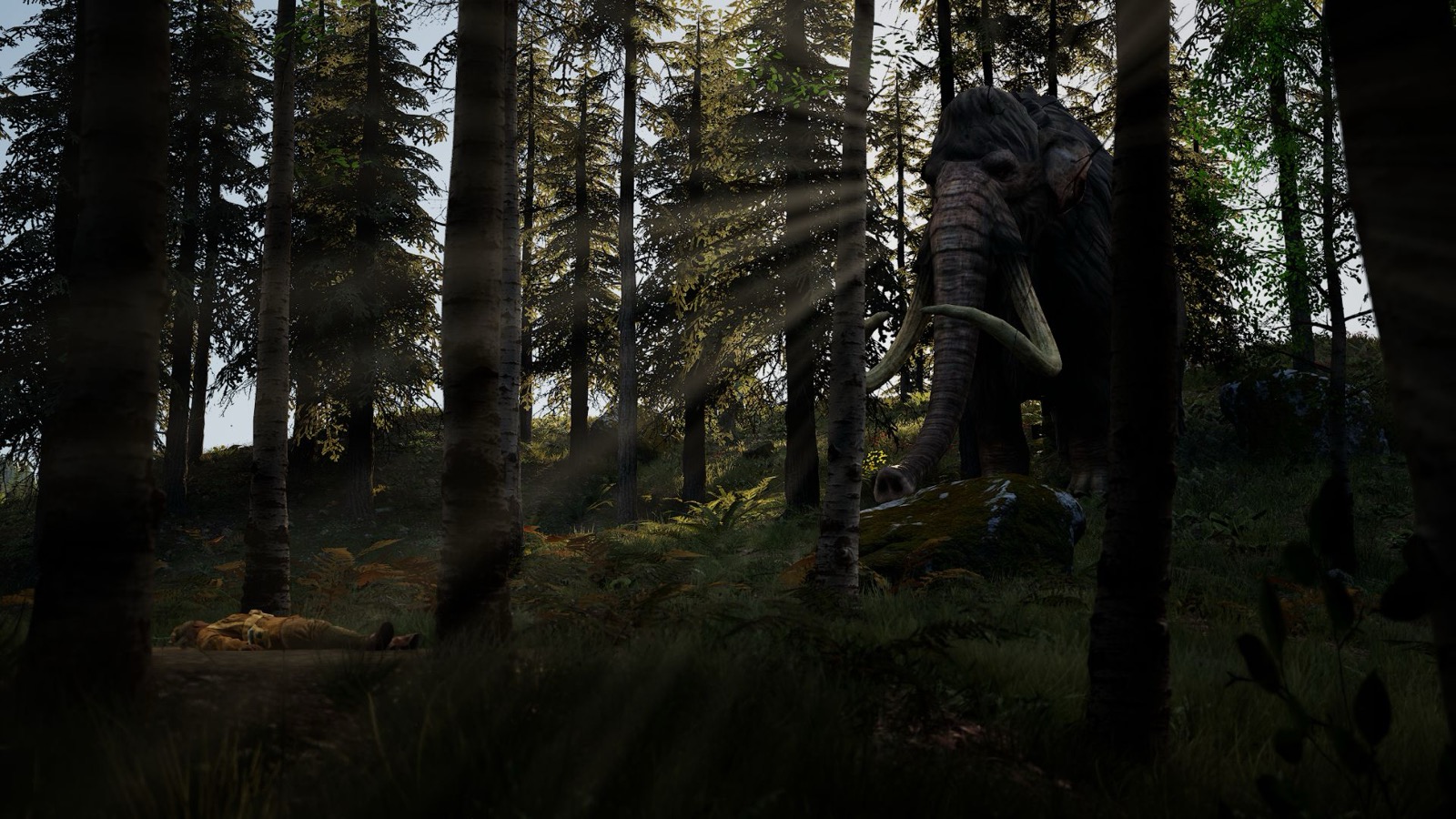
Set in and around Arunachal Pradesh, spanning multiple eras. Tribal India, historical fiction, magical realism. A transmedia universe rooted in the oral traditions of the Idu Mishmi tribe.
In the forests of Dibang Valley, the boundary between the living and the spiritual has never existed. The Idu Mishmi people have always known this. Their priests, the igu, walk between worlds. Their stories are not metaphors. They are instructions for survival.
Dibang Valley Diaries takes this worldview seriously. Every character, every creature, every landscape carries consciousness. The tiger is not a symbol. The river is not a backdrop. They are participants in the story, with their own will and memory.
The universe spans from the pre-colonial forests of the Mishmi Hills through the 1962 war with China to a fictional 1988 posting in Anini. Multiple eras, connected by the land itself.
Each format tells a different part of the story. Enter through whichever door calls to you.
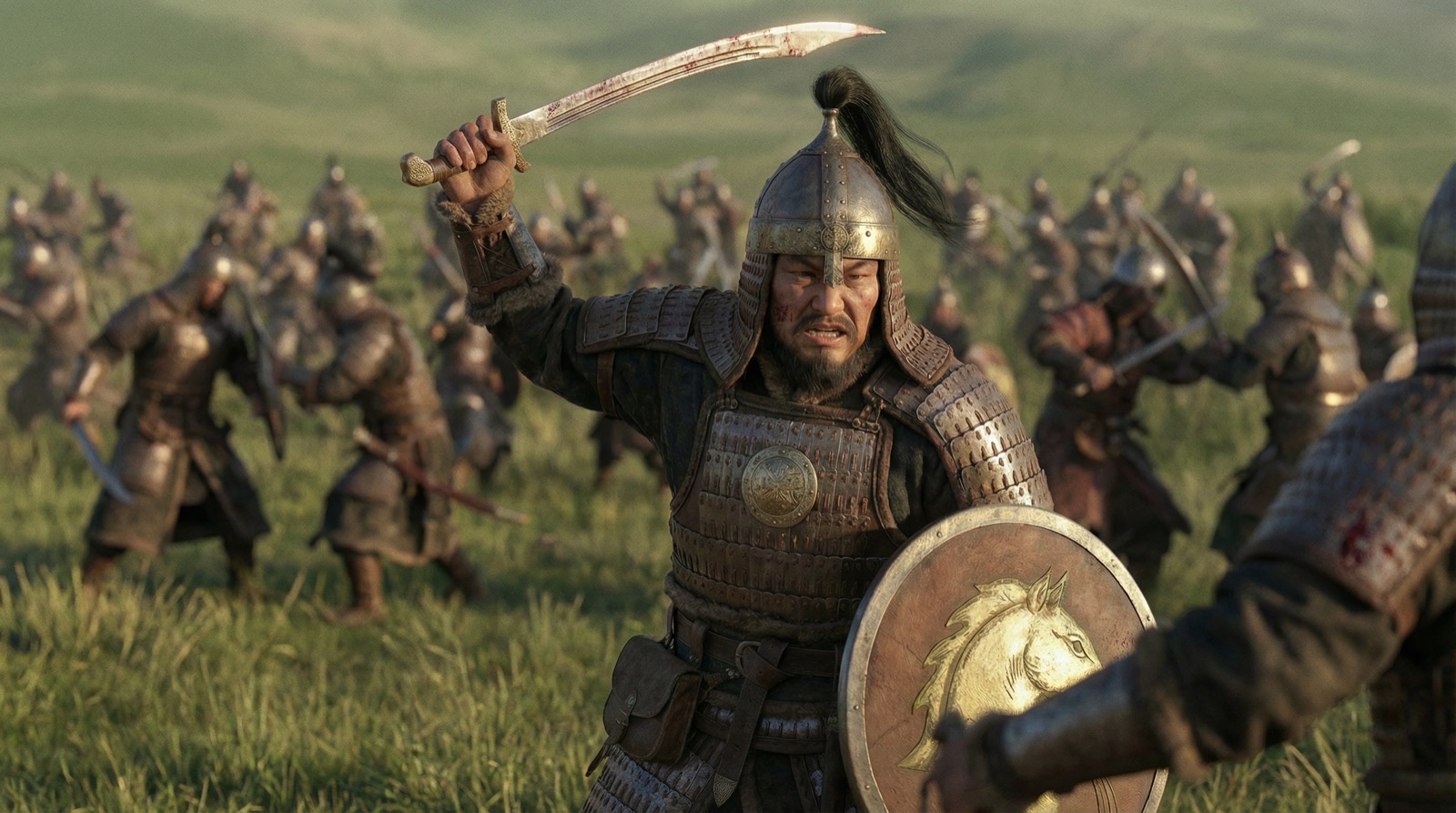
45 pages. CG-animated style panels produced through AI. The Temujin Prologue opens the universe with a story of blood oaths and betrayal on the steppe, before the narrative shifts to the forests of Arunachal.
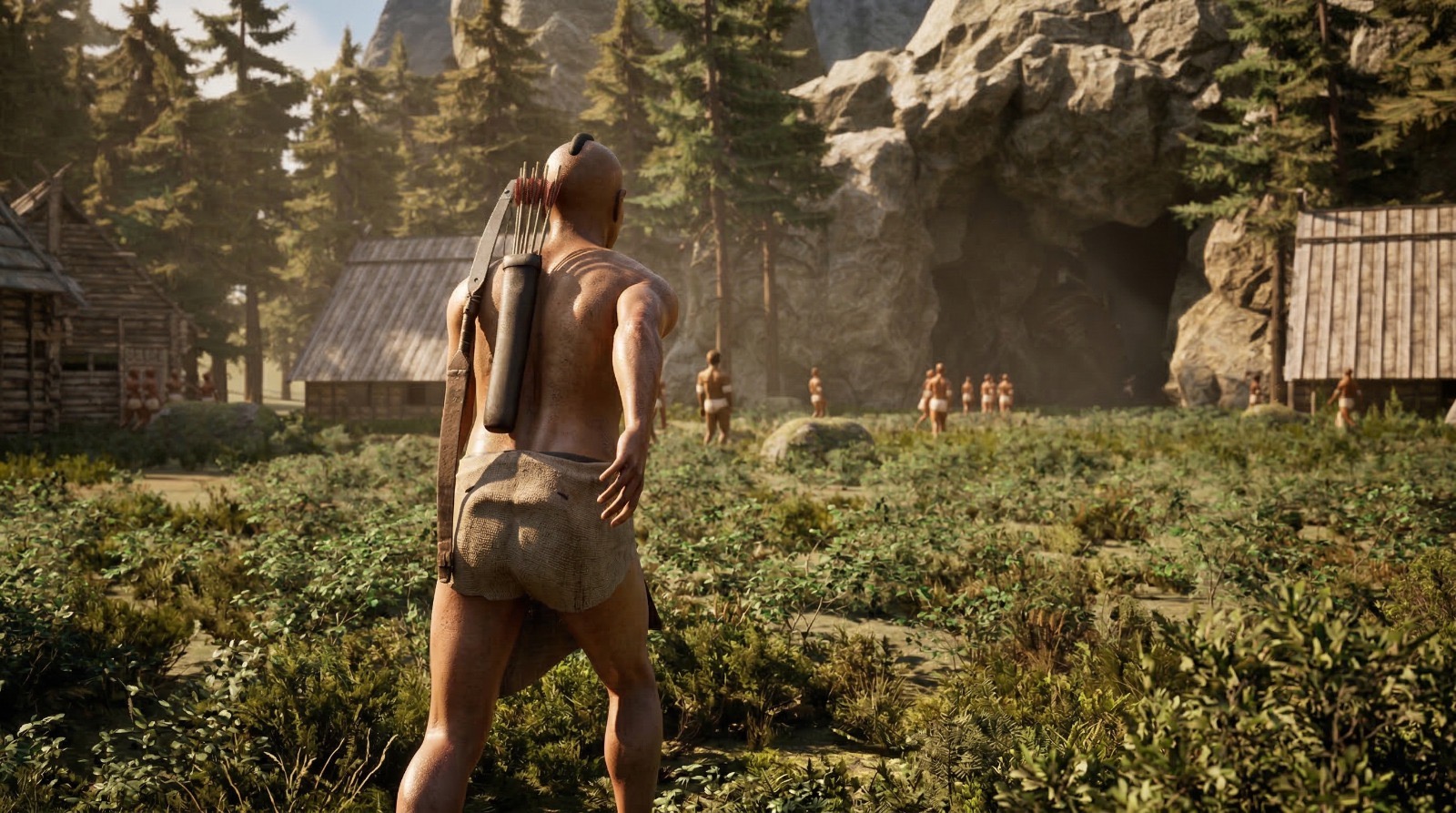
In Production24 episodes. Season 1 written. AI animation pipeline built on ComfyUI, Gemini Flash, FLUX Pro, and GPT Image. Weekly release on YouTube. The Dibang Valley brought to life in motion.
Pre-ProductionBased on a true story: an Assistant Project Officer posted to Anini in 1988. Historical fiction meets magical realism. Shot on location in Arunachal Pradesh. Festival circuit target.
WritingImmersive theatre. A limited-run experience that places the audience inside the Dibang Valley. Part ritual, part performance, part installation.
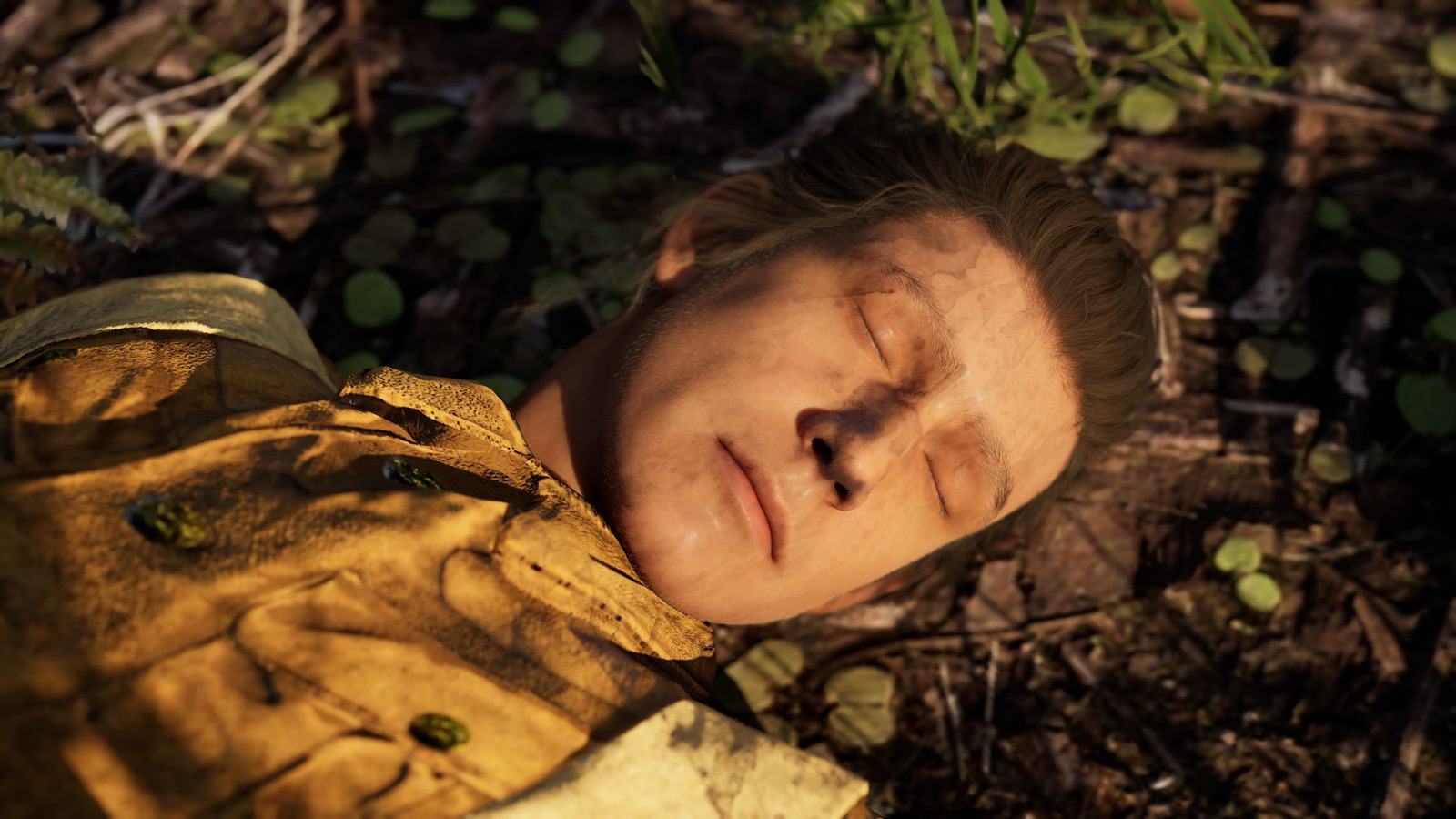
Year 2Early panels and scenes from the Temujin Prologue and the Dibang Valley. AI-generated, human-directed. Every frame carries the weight of a world being born.
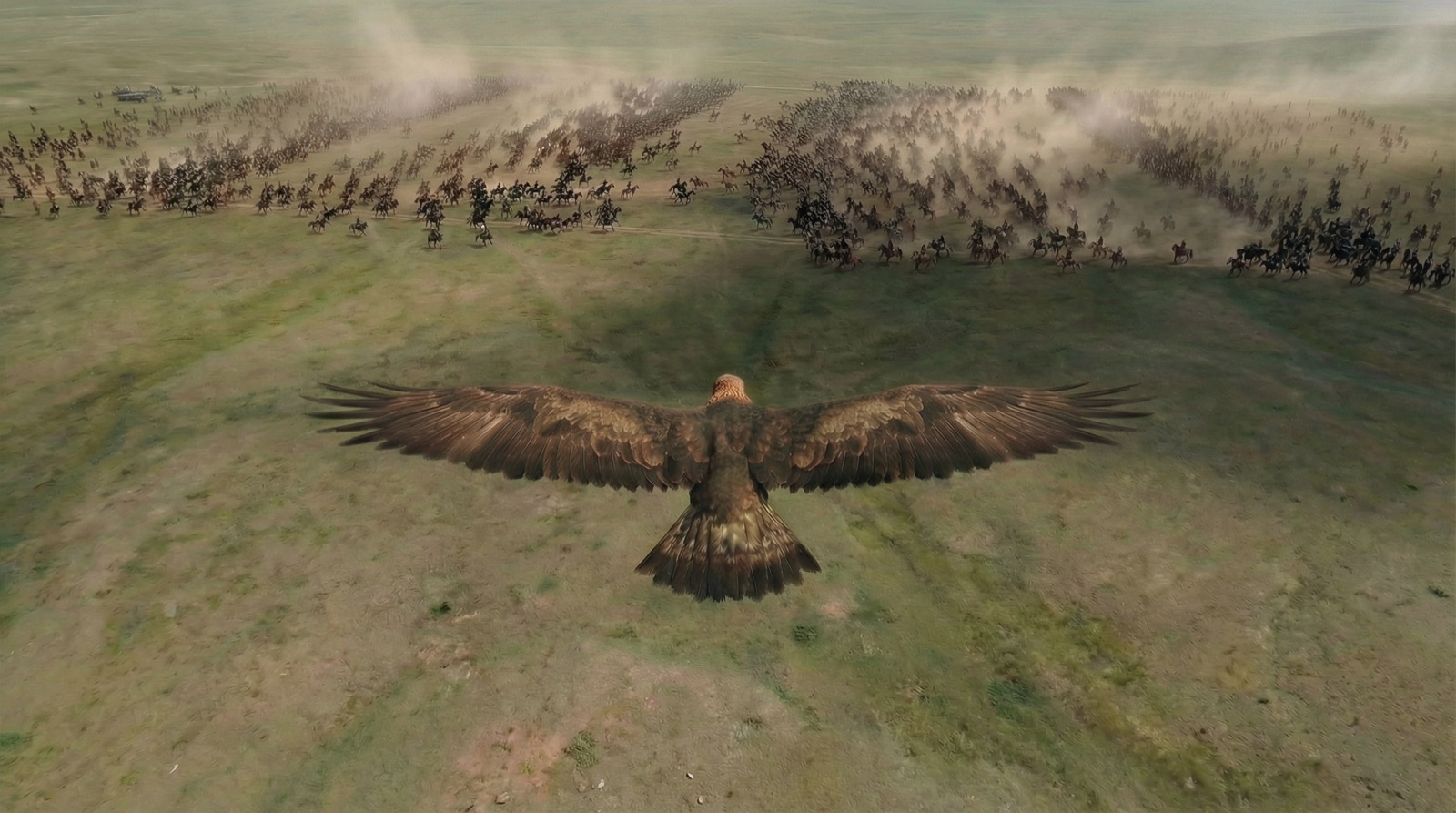
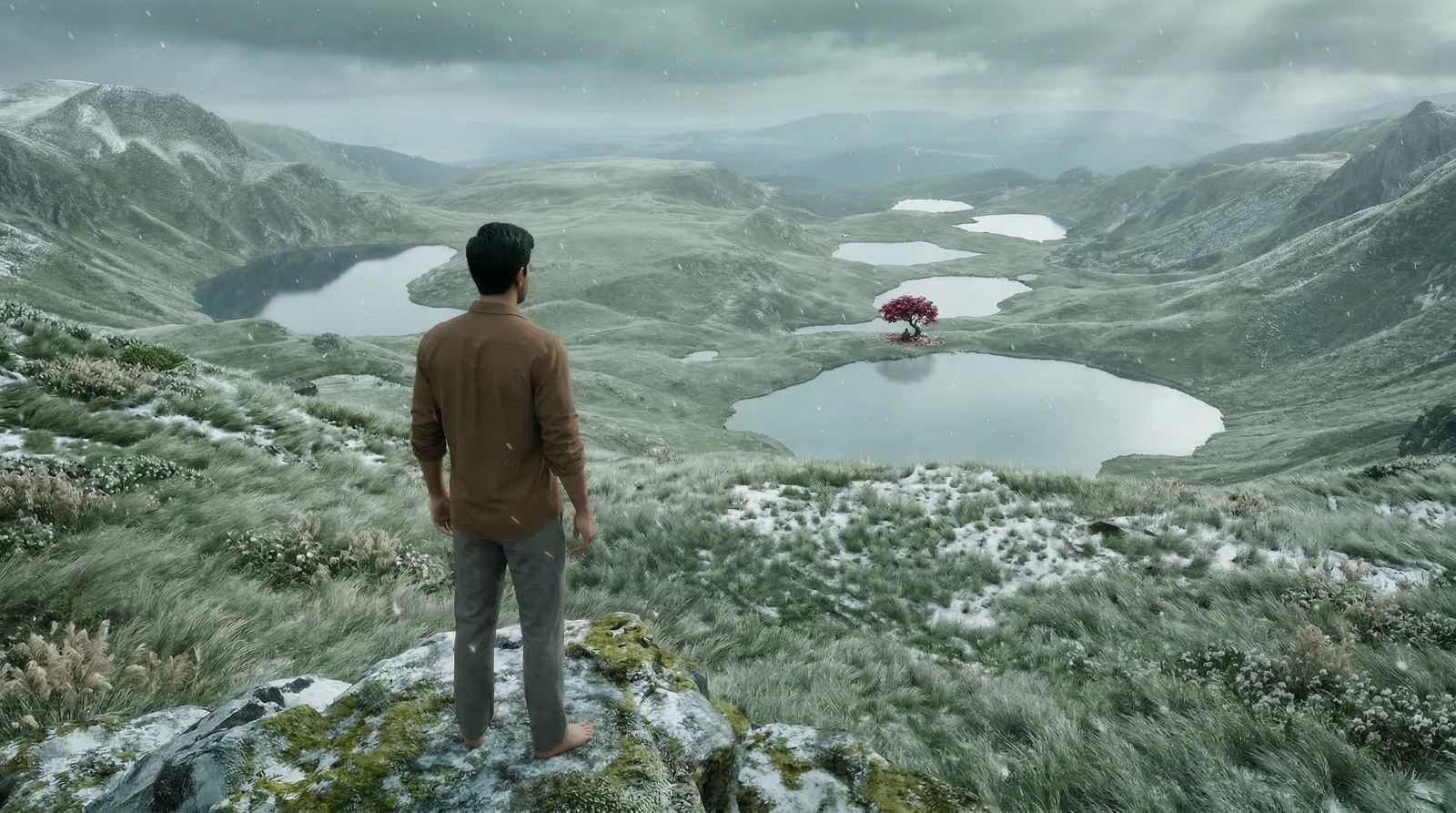
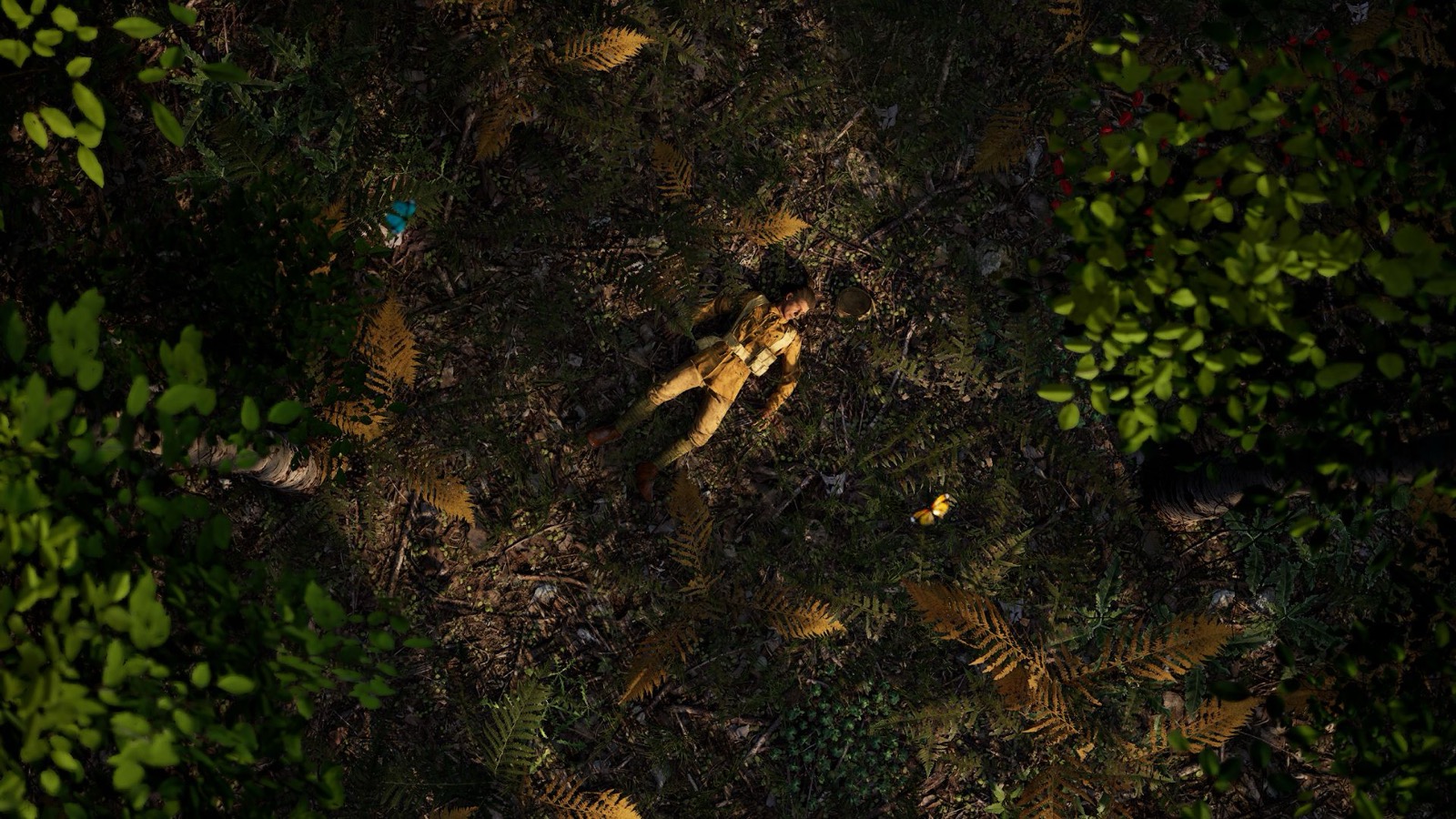
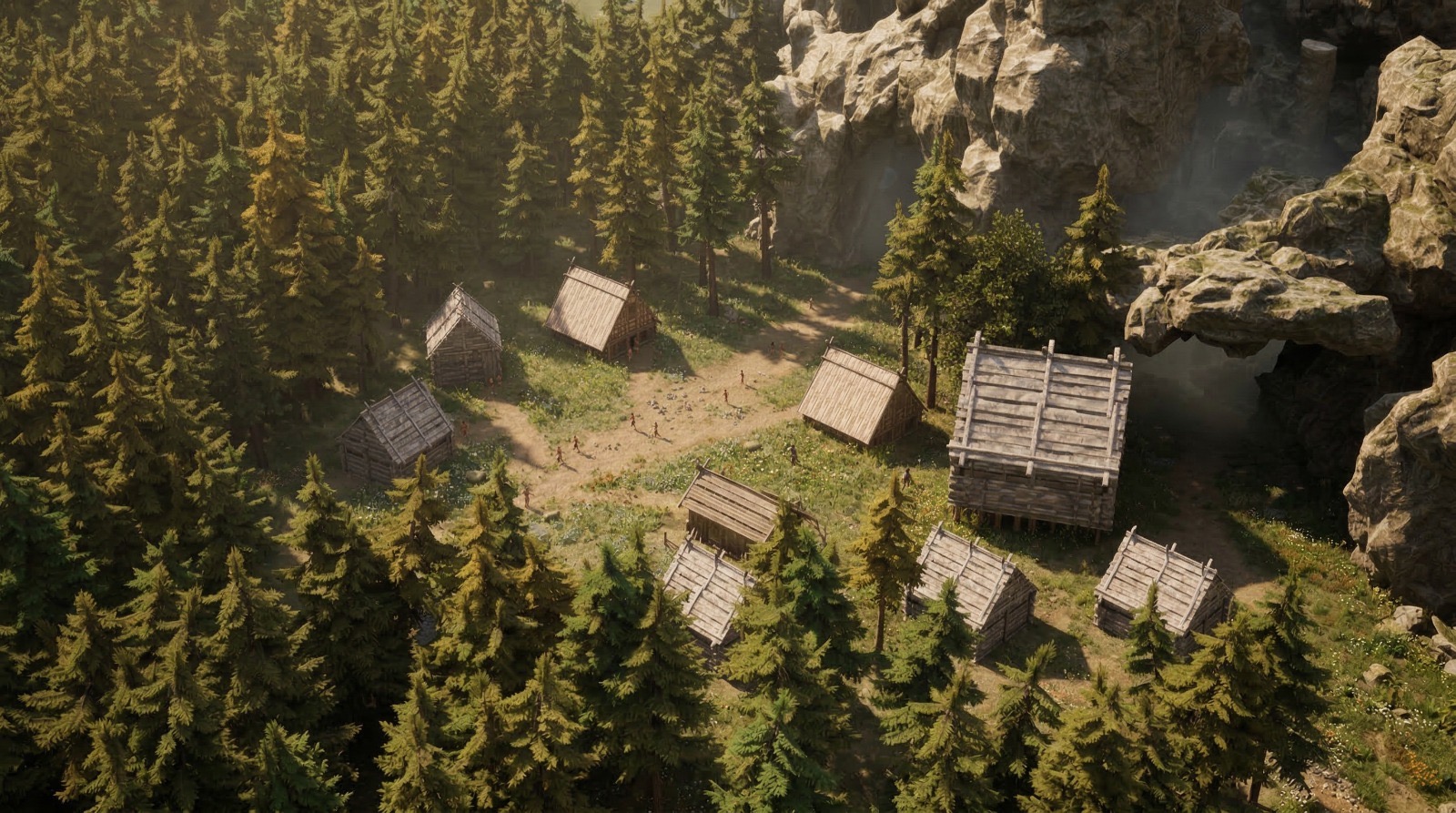
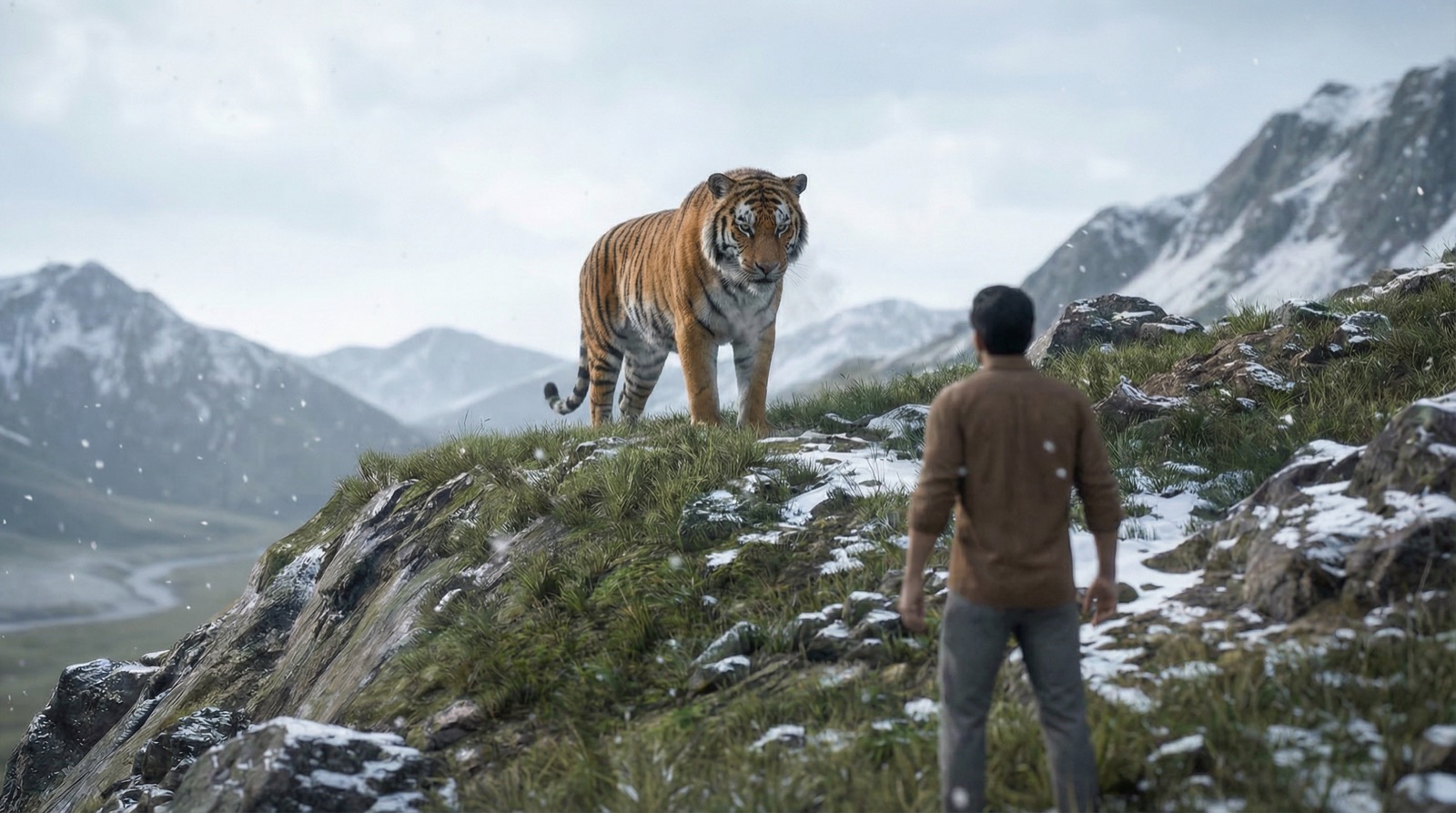
Fragments of the world waiting to be pieced together. Each one a doorway into the mythology that holds the universe together.
Priests of the Idu Mishmi. They walk between the world of the living and the spirits. Their chants are not prayers. They are negotiations. Every ritual is a contract with forces older than memory.
CultureIn the Dibang Valley, the tiger is not prey and not predator. It is a visitor from another plane. Some are born carrying a tiger spirit without knowing it. The knowledge changes everything.
MythologyA young officer arrives at the most remote posting in India. The town has no road connection. The only way in is by helicopter or a week-long trek. What he finds there will redefine what he believes is possible.
HistoryIn the oral traditions, the elephant chooses. Not the village, not the family, not the priest. The elephant walks to the one who will carry the burden of leadership. It has never been wrong.
MythologyWhen China came through the passes, the Dibang Valley changed forever. But the valley does not forget. The war left scars in the land itself. Some clearings still refuse to grow trees.
HistoryThe Idu Mishmi concept of the world as a web of relationships between all living and non-living things. Nothing exists independently. Every action ripples through the web. Every story is everyone's story.
PhilosophyFollow the creation of Dibang Valley Diaries. From first panels to finished film. Be part of the story from the beginning.